Choosing a food is only the first half of feeding your cat well. The second half is the maintenance: the daily, weekly, and monthly habits that keep the food safe, fresh, and nutritionally intact from the moment it is opened to the moment it reaches the bowl. This Best Cat Food maintenance guide walks through storage, portioning, food transitions, freshness checks, and long-term monitoring — the routines that turn a good label into a good meal, day after day.
What this Best Cat Food maintenance guide covers
Maintenance isn’t one task. It’s a handful of repeatable habits that work together:
- Storage — keeping dry and wet food under conditions that slow nutrient breakdown and prevent contamination.
- Hygiene — washing bowls and scoops so the food stays clean from container to cat.
- Portioning — measuring servings so your cat gets the right amount without waste.
- Transition management — changing foods gradually so the digestive system adapts.
- Monitoring — checking for spoilage and watching your cat’s weight, appetite, and coat.
Each of these connects to the others. A food stored wrong can lose nutrients before it’s eaten; a portion poured without measuring can quietly drive weight gain. If you’re just getting started, the complete setup checklist covers the first-day details, while this guide focuses on keeping the routine running smoothly for months and years.
Store dry cat food so it keeps its nutrition
Dry kibble is shelf-stable, but “shelf-stable” doesn’t mean “fresh forever.” Once a bag is opened, the clock starts.
Keep it in the original bag, inside a container
The U.S. Food and Drug Administration (FDA) recommends storing dry pet food in its original bag with the top tightly folded down, in a cool, dry place below 80°F. Excess heat or moisture can cause the nutrients to break down. The bag itself is part of the product’s freshness design — many manufacturers engineer their packaging for long-term storage — which is why experts generally recommend not pouring kibble straight into a plain container.
The practical compromise most manufacturers and veterinarians suggest: keep the kibble inside its original bag and place the whole bag into a clean, airtight, animal-proof container. You get a tidy pantry without losing the bag’s barrier properties, the label, and the expiration date.
Use opened dry food within two to three months
Once opened, dry cat food is generally best used within two to three months when stored properly — a timeframe that comes from pet food manufacturers and veterinary sources like Purina and PetMD. After that window, fats can oxidize and make the food taste rancid, and the kibble can absorb moisture or attract pests.
That’s also why the largest bag isn’t always the best value. Before you buy big, check how much your cat actually eats in a month or two and choose a bag size you’ll finish inside that window.
Wet food: the short shelf-life rules that matter
Wet food is closer to human food in how it must be handled. Unopened cans and pouches are shelf-stable, but once opened, the clock is measured in hours and days, not months.
Refrigerate opened wet food promptly
The FDA’s safe-handling guidance for pet food says to promptly refrigerate or throw out unused or leftover canned and pouched pet food, keep refrigerated pet food tightly covered, and set the refrigerator to 40°F or below. Veterinary sources generally put the usable window for opened, refrigerated wet food at about three days.
Don’t leave it out
At room temperature, opened wet food dries out and starts to spoil quickly. Veterinary sources like PetMD recommend removing leftovers after about an hour; broader food-safety guidance allows one to two hours. In warm weather, err on the shorter side. If your cat doesn’t finish a meal, cover and refrigerate leftovers — or toss them if they’ve sat out too long.
Serve at the right temperature
Many cats refuse refrigerated wet food served straight from the fridge. Letting the portion come to room temperature for a few minutes — or warming it briefly in a microwave-safe dish, never in the metal can — can make mealtime easier without affecting safety.
Also inspect the packaging before use. Skip cans that are dented, swollen, or rusted, and toss pouches with visible damage; a compromised seal can let bacteria in.
Build a portioning routine that prevents waste
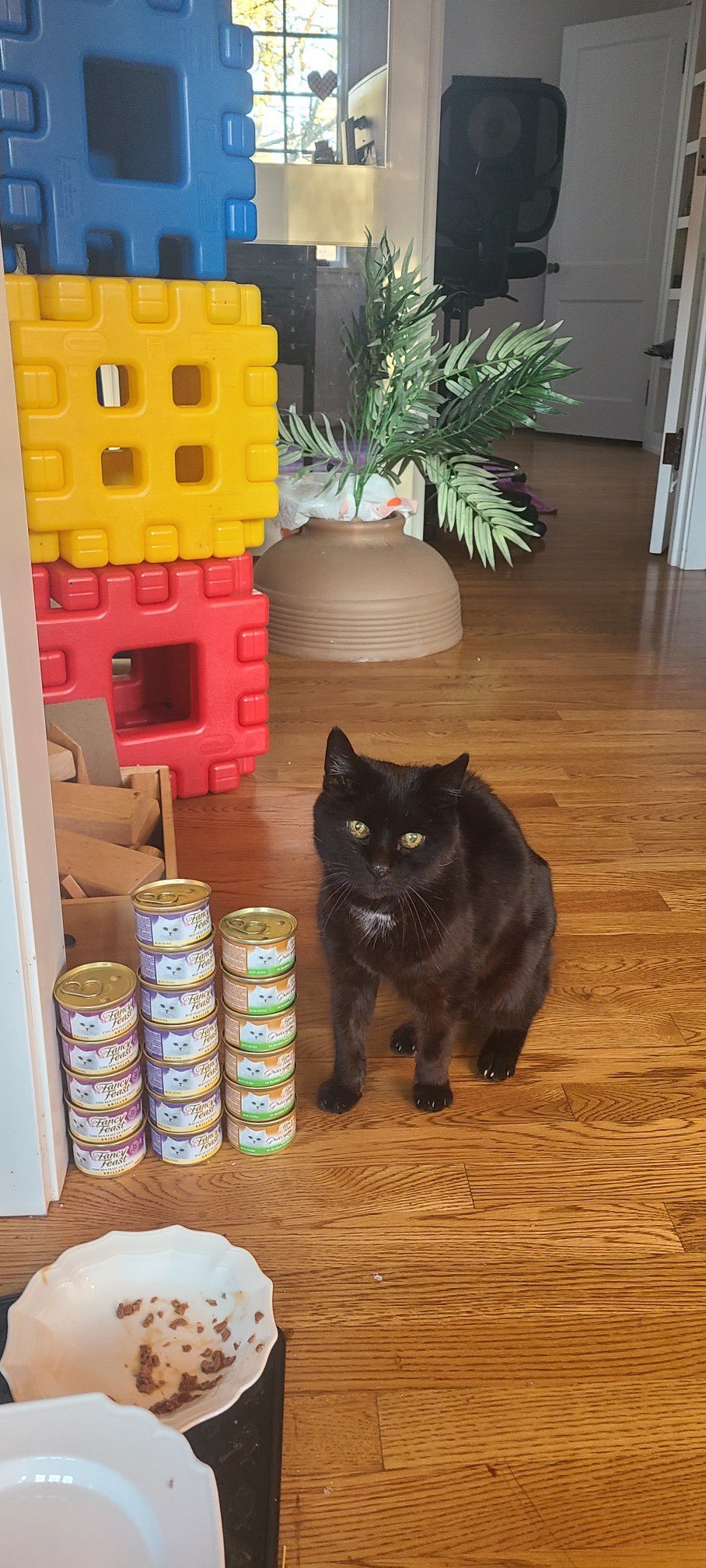
Feeding “by eye” is the fastest way to overfeed or underfeed. Most cat foods list daily feeding amounts on the label, usually by weight, and those numbers are a reasonable starting point.
- Measure each serving with the scoop that came with the food or a dedicated measuring cup — not with your cat’s bowl.
- Split the daily amount into two or more meals if your schedule allows; cats are natural grazers, and small meals suit their stomachs.
- If you free-feed dry food, know that it works for some cats but makes portion control impossible — a common cause of gradual weight gain.
- For cats with weight, kidney, or diabetes concerns, talk to your veterinarian before assuming label amounts apply; medical diets need individualized portions. Our health needs section explains how food choices change with common conditions.
Hygiene is part of portioning
The FDA recommends washing pet food bowls and scooping utensils with soap and hot water after each use, and washing your hands for at least 20 seconds before and after handling pet food. Bowls left with residue become a breeding ground for bacteria between meals — an easy place to lose points on otherwise careful feeding.
Change foods the slow way: the seven-day transition
Cats’ digestive systems are famously sensitive to abrupt change, and switching foods overnight is one of the most common causes of vomiting, diarrhea, and food refusal. The standard fix is a gradual transition over about a week:
| Days | Old food | New food |
|---|---|---|
| 1–2 | 75% | 25% |
| 3–4 | 50% | 50% |
| 5–6 | 25% | 75% |
| 7+ | 0% | 100% |
This schedule, used by Royal Canin and widely recommended by veterinarians, gives the gut time to adjust and lets you watch for signs of trouble — loose stool, vomiting, or refusal. If your cat is a senior, has a sensitive stomach, or is on a prescription diet, extend the transition to 10–14 days or ask your vet first.
Transitions also matter when rotating proteins or brands. Done carefully, rotation can reduce food boredom and make future switches easier; done carelessly, it can trigger upset stomachs. If you’re planning a switch, the daily workflow guide shows where transitions fit into a normal feeding schedule, and the key factors buying guide helps you compare options before you commit.
Run a quick freshness check before every refill
Expiration dates matter, but they’re not the only signal. A quick sensory check takes ten seconds and catches most problems:
- Look — mold, discoloration, bugs, or clumped, sticky kibble are all red flags.
- Smell — rancid or sour odors mean the fats have oxidized.
- Touch — kibble that feels soft, greasy, or mushy has absorbed moisture; wet food that looks separated or slimy has gone too far.
- Packaging — swollen, rusted, or dented cans, and torn bags, should be discarded.
- Your cat — cats can detect spoilage we miss. A sudden refusal of food they previously ate eagerly is worth investigating.
Never feed food past its printed expiration or “best by” date — nutrient stability can’t be guaranteed beyond it. And when a recall or safety concern makes the news, our recall alerts page keeps the updates in one place.
Long-term maintenance: monitoring and periodic review
Maintenance isn’t only about the food itself — it’s about the cat eating it. Two habits matter more than any single product choice.
Watch the cat, not just the label
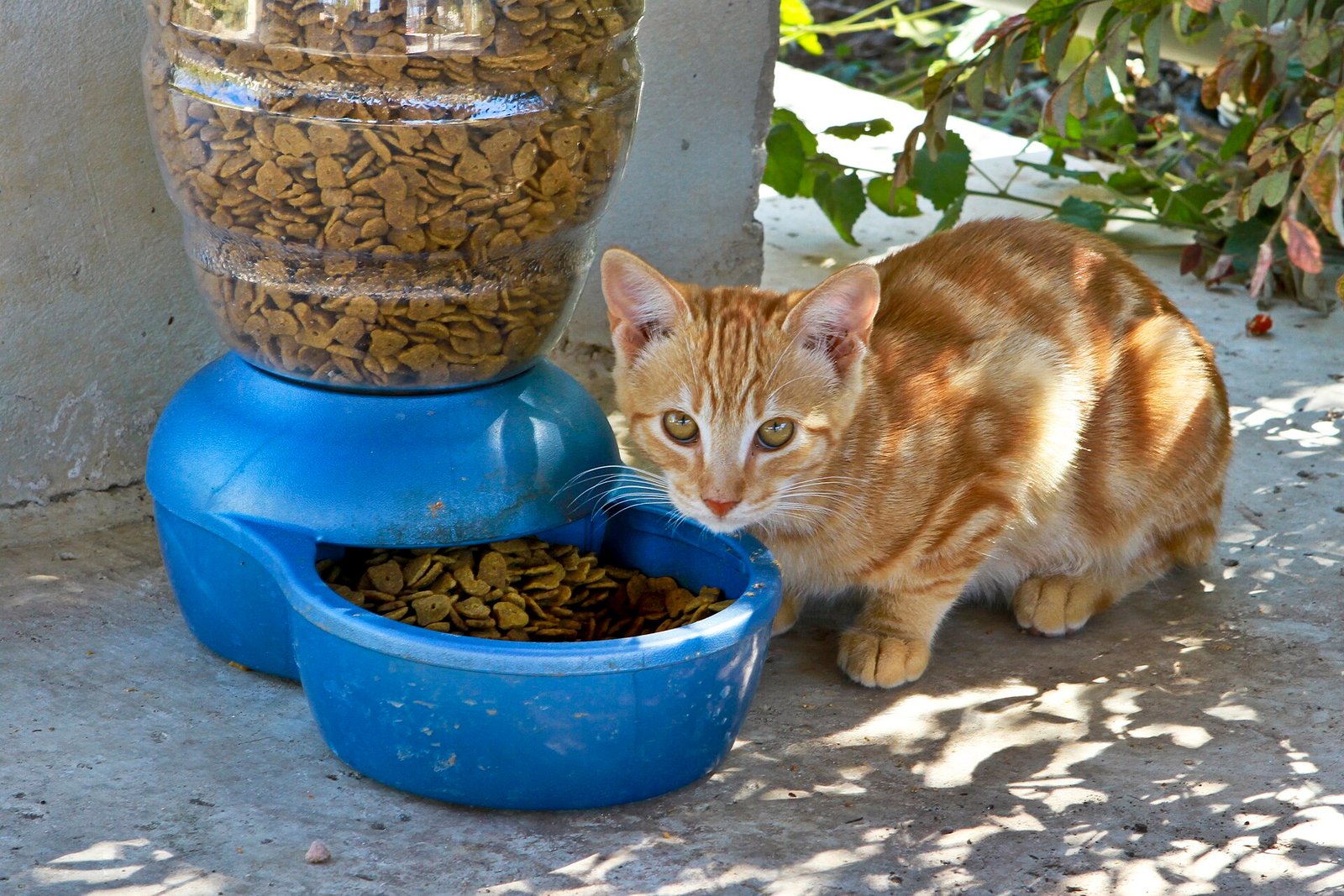
Track body condition, not just weight. A cat at a healthy weight should have a visible waist when viewed from above and ribs you can feel with light pressure. If your cat gains or loses steadily, adjust portions before changing foods. The planning checklist includes the monitoring questions worth revisiting every month.
Review the food choice at life changes
A food that’s ideal for a kitten isn’t necessarily right for a senior. Life-stage changes, new health diagnoses, dental problems, or a sudden change in appetite are all triggers to reassess what’s in the bowl, and annual vet visits are the natural checkpoint. If you’re unsure what the terms on the label actually mean — “complete and balanced,” “adult maintenance,” “AAFCO nutrient profiles” — the essential concepts glossary decodes them.
Finally, consider some variety. Rotation done gradually can prevent pickiness and ease future transitions, but it should never compromise nutritional completeness: every food in a rotation needs to be complete and balanced on its own, or gaps can develop over months. The food types and buying guides sections compare the formats and criteria worth weighing.
The maintenance checklist at a glance
| Area | Rule of thumb |
|---|---|
| Dry food storage | Original bag, folded closed, in an airtight container; cool, dry, below 80°F; use within 2–3 months of opening. |
| Wet food after opening | Refrigerate promptly, covered, at 40°F or below; use within about 3 days. |
| Wet food at mealtime | Discard leftovers after 1–2 hours at room temperature (less in heat). |
| Portions | Measure with a scoop; split into two or more meals; adjust by body condition. |
| Bowl hygiene | Wash bowls and scoops with soap and hot water after each use. |
| Transitions | Mix old and new food over 7+ days. |
| Freshness | Check look, smell, texture, packaging, and your cat’s interest before every refill. |
| Review | Reassess at life-stage changes and annual vet visits. |
Frequently asked questions about cat food maintenance
How long does dry cat food last after opening?
Opened dry food stored properly in its original bag inside an airtight container is generally best used within two to three months. After that, fats can go rancid and moisture can compromise the kibble.
How long can wet cat food sit out?
Most veterinary guidance recommends removing uneaten wet food after one to two hours at room temperature. In hot weather, shorten that window, and refrigerate any uneaten portion promptly.
Should I pour dry cat food into a plastic container?
Most manufacturers recommend keeping the kibble in its original bag and placing the whole bag inside a clean, airtight container. Pouring kibble directly into a container loses the bag’s barrier design and can accelerate staleness.
How do I know if cat food has gone bad?
Look for mold, discoloration, bugs, or clumped kibble; smell for rancid or sour odors; feel for soft or greasy texture; and discard swollen, rusted, or dented cans. A cat that suddenly refuses food it once loved is also worth taking seriously.
Sources
- FDA — Tips for Safe Handling of Pet Food and Treats
- FDA — Proper Storage of Pet Food & Treats
- PetMD — How To Store Cat Food
- Purina — How to Store Cat Food
- Royal Canin — A Guide to Changing Your Cat’s Food
- Chewy — Rotational Diet for Cats
- Kinship — How Long Can Wet Cat Food Sit Out?
- Catster — Has Your Cat Food Gone Bad? 8 Vet-Reviewed Signs