A Practical Planning Checklist: Best Cat Food
Choosing the “best” cat food is rarely about finding one miracle bag. It is about matching a nutritionally complete food to your cat’s life stage, health, habits and budget—and then introducing it safely. This Best Cat Food planning checklist gives you the seven decisions to make before you compare brands or open your wallet, so the food you bring home is one your cat can actually eat, digest and thrive on. If some of the terms below feel new, our guide to essential cat food concepts explains them in plain language first.
Why Plan Before You Compare Cat Foods
Pet food shelves are crowded with similar-looking bags, and the wording on labels can look nearly identical across very different products. A short planning pass saves money, reduces waste and avoids the most common problem in cat feeding: a bag of “high-quality” food your cat refuses to eat or cannot digest. Planning also matters because weight issues are common. In the Association for Pet Obesity Prevention’s 2025 survey, 43% of cat owners described their cat as above ideal weight—a reminder that calories and portioning belong in any food plan, not just the brand choice.
Start with a routine check-in with your veterinarian. That is the single most reliable first step, especially for cats with medical conditions. Our health needs section covers the conditions that change the food conversation, from kidney disease to diabetes and urinary issues.
The Best Cat Food Planning Checklist
Work through these seven steps in order. Each one answers a question the next step depends on, and together they turn a shopping trip into a deliberate decision.
1. Start With Your Cat, Not the Brand
Age and life stage set the nutritional baseline. AAFCO (the Association of American Feed Control Officials) recognizes two main cat life stages for complete-and-balanced claims: growth (kitten) and adult maintenance. Kitten foods are formulated to at least 30% protein, while adult maintenance foods start at 26%—and many cats do noticeably better on more.
Cats are obligate carnivores: their bodies expect nutrients found in animal tissue, including taurine, arginine, arachidonic acid and preformed vitamin A. That is why animal-based protein sits at the center of most sound feeding plans, and why plant-only or grain-heavy diets rarely make sense for a cat.
Write down the basics before you shop: kitten or adult? Indoor or outdoor? Intact or neutered? Any medical conditions? Kittens typically need three to four small meals a day, while adult cats do well on two or more meals at consistent times. If your cat has a health condition, ask your vet for guidance before changing anything.
2. Check for the AAFCO Nutritional Adequacy Statement
This is the single most useful line on a cat food label. It tells you the food was formulated to meet the nutrient profiles established by AAFCO—or verified through feeding trials—for a specific life stage. A typical statement reads: “[Product] is formulated to meet the nutritional levels established by the AAFCO Cat Food Nutrient Profiles for adult maintenance.”
If that statement is missing, the product may be a treat, a snack or a complementary food not intended as a sole diet. Treats belong in the treat budget, not the meal plan. One nuance worth knowing: AAFCO does not define a separate “senior” life stage for cats. For a healthy older cat, look for an adult maintenance statement and pair it with veterinary advice, because senior feeding is usually about managing health rather than chasing a special nutrient profile.
3. Choose the Format That Fits Your Cat
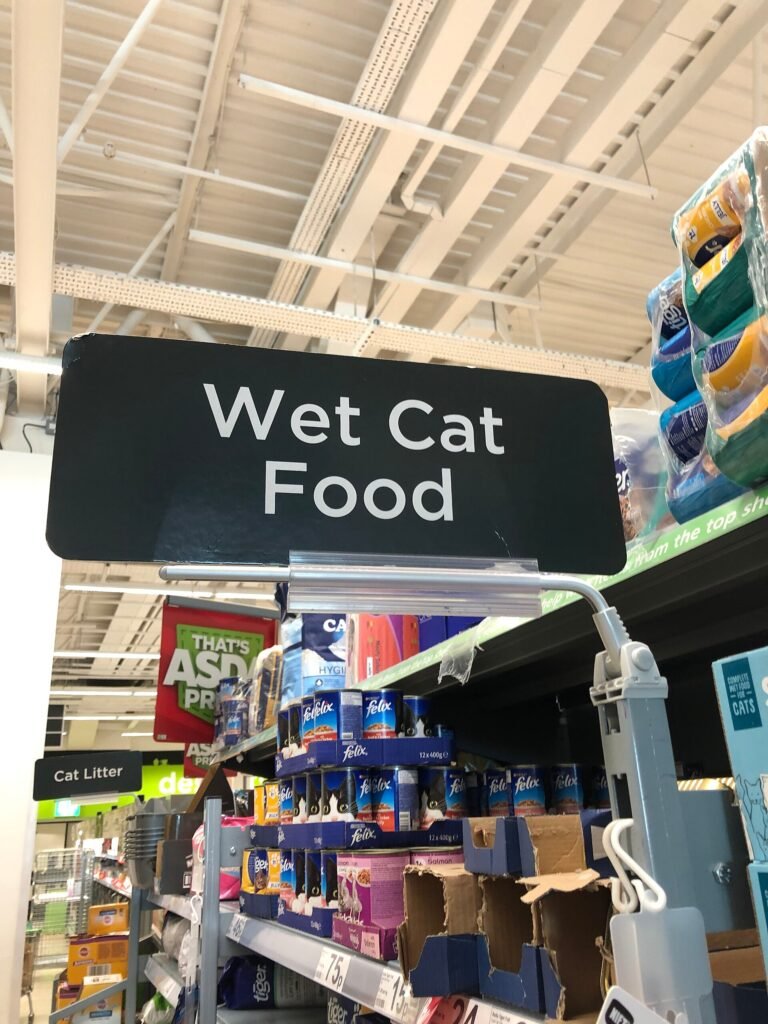
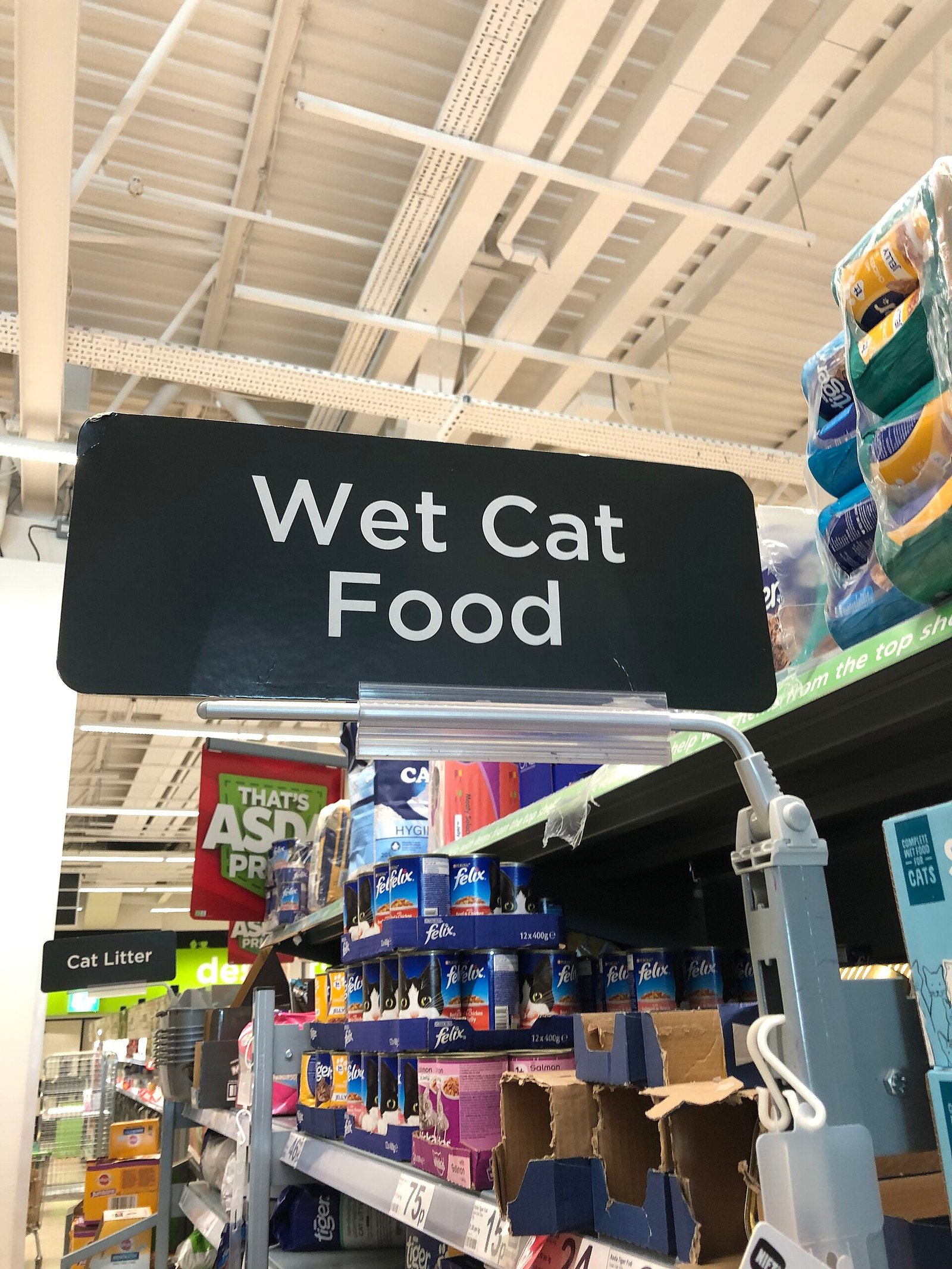
Format is a practical decision with nutritional consequences. Canned or wet food is roughly 75–80% water, while dry kibble is about 10% or less. Because cats evolved with a low thirst drive and get much of their water from food, wet food helps keep urine dilute and supports urinary and kidney health. Dry food is convenient, shelf-stable and often more affordable per serving, but it is calorie-dense and easy to overfeed.
| Format | Moisture | Main strength | Watch out for |
|---|---|---|---|
| Wet / canned | ~75–80% | Hydration, urinary support | Shorter fridge life once opened |
| Dry / kibble | ~10% | Convenience, shelf life, cost per serving | Calorie density, overfeeding |
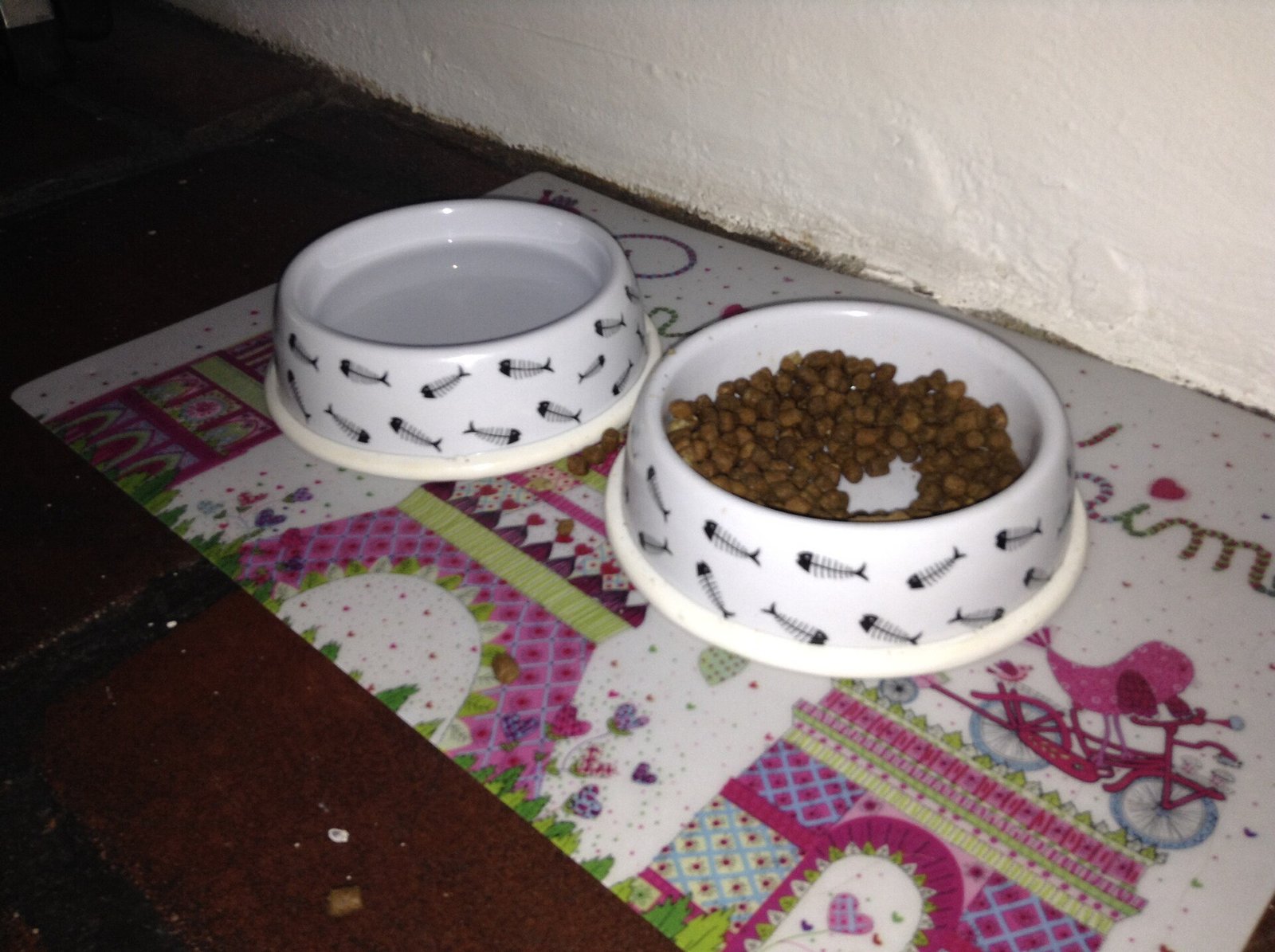
| Mixed | Varies | Balance of both | Needs one calorie total, not two free-feeding bowls |
Many households feed a mix: a portion of wet food for hydration plus dry for convenience. Raw diets are the one format that needs extra caution. In 2025, the FDA issued recall notices and alerts involving raw cat food products contaminated with Salmonella, Listeria and H5N1. If you are considering raw, review our recall alerts first and talk to your vet about the risks and handling rules. For a deeper look at how formats compare, see our food types pages.
4. Read the Guaranteed Analysis and Calorie Content
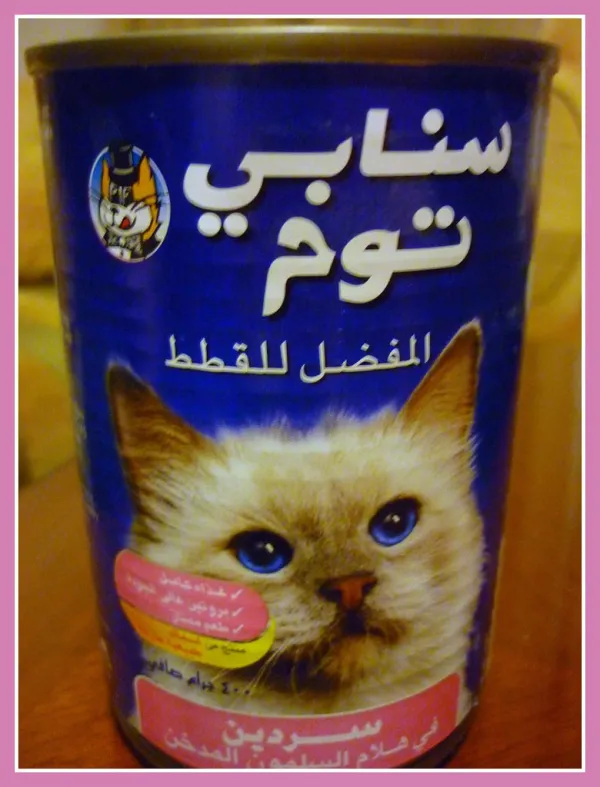
The guaranteed analysis lists minimums for protein and fat and maximums for fiber and moisture. Because wet and dry foods have very different water content, compare them on a dry-matter basis: subtract moisture from 100 to get the dry matter, then divide each nutrient by that number.
Calorie content is required on cat food labels in kilocalories per kilogram and per can or cup. Use it to work out cost per serving and cost per day—the number that actually matters for your budget is calories per dollar per day, not price per bag. A general veterinary rule of thumb for an average indoor adult cat is about 20 calories per pound of body weight per day—roughly 200 calories for a 10-pound cat—but activity and body condition shift that figure, so treat it as a starting point, not a prescription.
5. Set a Cost-Per-Serving Budget
Once you know the format and the calorie plan, set a budget in terms of cost per day or per serving. Premium and budget foods can both be nutritionally complete; the practical question is whether a food fits your household budget for the long term, because consistency matters more than a one-time splurge. Our buying guides walk through how to compare value without sacrificing the basics, and our brand reviews help you research specific products before you commit.
6. Plan a Gradual Transition
Never switch a cat to new food overnight. A widely recommended approach is a 7- to 10-day transition, and cats with sensitive stomachs may need longer. A typical schedule looks like this:
| Days | Current food | New food |
|---|---|---|
| Days 1–2 | 75% | 25% |
| Days 3–4 | 50% | 50% |
| Days 5–6 | 25% | 75% |
| Day 7 onward | 0% | 100% |
Some cats are slow to accept change and can take weeks. If your cat stops eating during the transition, slow down or step back a stage, and contact your vet if food refusal lasts more than a day. Our step-by-step guides cover transition troubleshooting in more detail.
7. Monitor Results and Revisit the Checklist
After the switch, watch the signals that matter: appetite, coat quality, energy, litter box output and body condition. Weigh your cat every few weeks and adjust portions if weight drifts. Revisit this checklist at least once a year, or whenever your cat’s life changes—a move, a new health diagnosis, weight gain or loss, or a senior birthday.
The Quick Checklist
- Vet check and health notes recorded before you buy.
- Life stage confirmed: kitten, adult, or senior with a health plan.
- AAFCO nutritional adequacy statement present for the right life stage.
- Format chosen (wet, dry or mixed) with hydration in mind.
- Guaranteed analysis and calories compared on a dry-matter basis.
- Budget set per serving, not per bag.
- 7- to 10-day transition scheduled before the first meal.
- Monitoring plan in place: weight, coat, energy, litter box.
- Recall check done for the specific brand and batch.
- Treats counted in the daily calorie total.
Common Planning Mistakes to Avoid
- Choosing a brand by reputation before checking the AAFCO statement.
- Switching foods overnight and blaming the food when the cat vomits.
- Free-feeding dry food while treats push calories over budget.
- Assuming “grain-free,” “natural” or “premium” means complete and balanced.
- Ignoring water intake when feeding only dry food.
- Buying a year’s supply before testing a week-long transition.
Frequently Asked Questions
How long should I keep my cat on the same food?
If the food is complete for your cat’s life stage, your cat eats it well, and body condition and health are stable, there is no need to switch for novelty. Revisit the decision when life stage or health changes. For brand-specific questions, start with our brand reviews.
Is wet or dry food better for cats?
Both can be complete and balanced. Wet food supports hydration and urine dilution; dry food is convenient and often more affordable per serving. Many households feed a mix and track total calories. Our food types pages compare the formats in more detail.
Does my senior cat need senior-specific food?
AAFCO does not define a senior life stage for cats, so most senior cats eat an adult maintenance food adjusted for their health. Because older cats often have conditions such as kidney or dental disease, ask your vet which nutrient adjustments matter for your individual cat.
How do I know my cat is doing well on a new food?
Look for stable energy, a glossy coat, normal appetite, consistent litter box habits and a steady body weight through the transition and the weeks after it.
Sources
This article draws on the following publicly available sources for current, verifiable information:
- FDA: “Complete and Balanced” Pet Food
- AAFCO: Pet Food Label Modernization (intended use and life stages)
- Chewy: Cat Diet Guide (AAFCO protein minimums by life stage)
- PetMD: When to change your cat’s food (senior life stage)
- PetMD: Do cats need high-protein food?
- Texas A&M School of Veterinary Medicine: Selecting Cat Food
- Pet Food Institute: What Is Guaranteed Analysis
- American Association of Feline Practitioners: Changing Your Cat’s Food
- VCA Animal Hospitals: Feeding Times and Frequency for Cats
- Catster: How many calories should a cat eat?
- Association for Pet Obesity Prevention: 2025 Survey Results
- FDA: Viva Raw voluntary recall (Salmonella and Listeria)
- FDA: H5N1 contamination in RAWR raw cat food
- WSAVA: Global Nutrition Guidelines
We aim for accuracy and transparency in everything we publish. See our editorial policy and affiliate disclosure for how this site researches and funds its content.