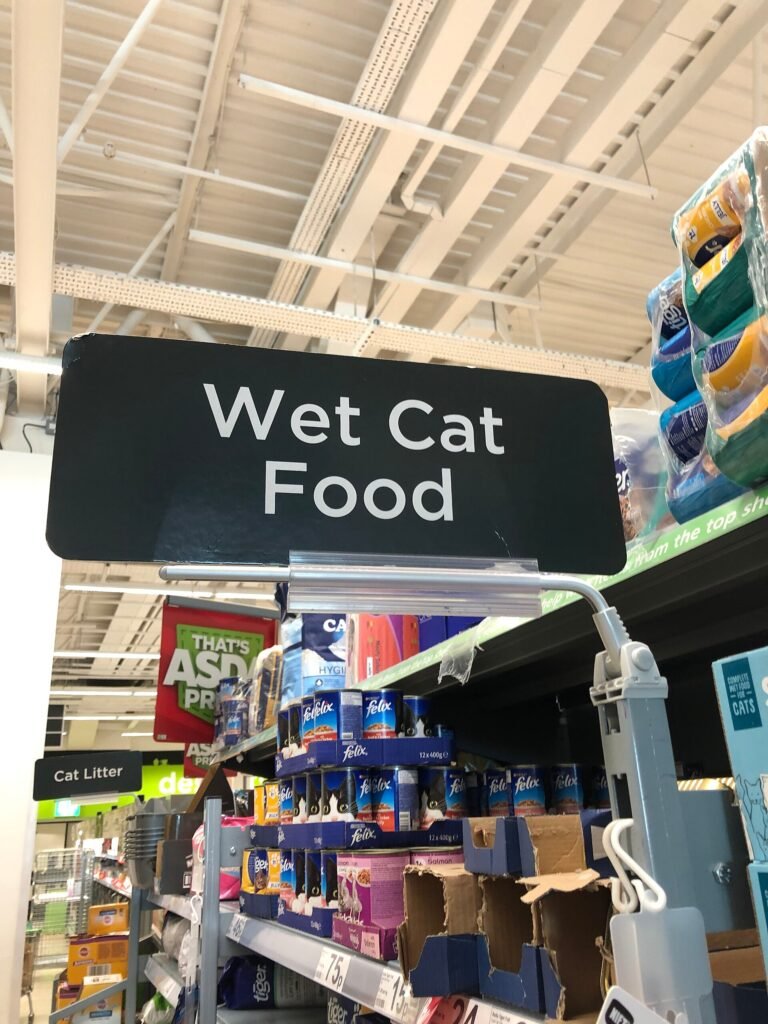
Best cat food best practices are less about memorizing brand names and more about a repeatable routine: choose a food that is nutritionally complete for your cat’s life stage, verify the AAFCO statement on the label, transition to any new food slowly, control portions, and ask your veterinarian before anything changes. If you follow that routine, most of the hard questions about feeding answer themselves.
What “best cat food” actually means
There is no single best cat food, and anyone who claims there is one is oversimplifying a decision that depends on age, body condition, activity level, budget, and health status. In practice, “best” means the best option for this particular cat at this particular stage of life, ideally chosen with veterinary input.
The most useful anchor on any label is the phrase “complete and balanced.” According to the U.S. Food and Drug Administration (FDA), a pet food may use that phrase in its nutritional adequacy statement only if it meets one of the AAFCO Cat Food Nutrient Profiles or passes a feeding trial conducted under AAFCO procedures. In plain terms, the food is intended to be fed as a cat’s sole diet and should contain every nutrient your cat needs at appropriate levels. That makes the adequacy statement the single most reliable shortcut on the package. For plain-language definitions of the terms you will keep seeing, start with our essential concepts guide.
Core best cat food best practices for choosing a food
These habits separate a confident choice from a guess:
- Match the life stage. AAFCO maintains two nutrient profiles for cats: one for growth and reproduction (kittens, pregnant and nursing cats) and one for adult maintenance. A kitten food and an adult food are not interchangeable, and growing kittens need more of several nutrients than adult cats do.
- Find the adequacy statement. It should state that the food is “formulated to meet the nutritional levels established by the AAFCO Cat Food Nutrient Profiles” for the relevant life stage, or that it passed AAFCO feeding trials.
- Confirm the food is complete, not a complement. Treats, toppers, and snacks are not intended as a sole diet and usually lack an adequacy statement.
- Screen the manufacturer. The WSAVA Global Nutrition Committee’s “Selecting a pet food” tool suggests asking who formulates the diets, whether a qualified nutritionist is on staff, and what quality-control and safety checks happen during manufacturing. A brand that answers these questions openly is easier to trust than one that hides behind adjectives.
If you want a structured way to weigh all of these factors, our complete buying guide on key factors walks through each criterion, and the decision framework turns it into a repeatable process.
Start with the AAFCO nutritional adequacy statement
The statement usually appears on the back of the bag or can, and it will look something like: “Brand X Cat Food is formulated to meet the nutritional levels established by the AAFCO Cat Food Nutrient Profiles for maintenance of adult cats.” That wording matters because it tells you the product is nutritionally complete rather than a supplement. The FDA notes that endorsements or seals from other organizations are not assurances of nutritional adequacy and can be misleading, so treat the AAFCO statement as your primary evidence.
Match the food to your cat’s life stage
Kittens need a food that meets the growth and reproduction profile, with higher protein, calcium, and phosphorus to support bone and muscle development. Most adult cats do well on a maintenance formula. Senior cats are not a separate AAFCO life stage, but many veterinarians recommend age-appropriate foods to support muscle mass, kidney health, and joint function. The health needs section covers how medical conditions change these decisions.
Check the manufacturer, not just the marketing
WSAVA’s Global Nutrition Committee publishes free guidance for pet owners that emphasizes practical questions: Does the company employ a qualified nutritionist? Who formulates the diets and what are their credentials? What quality control and safety procedures are used? Where can you reach the company with questions? A manufacturer that publishes real contact details and answers product questions is a better sign than a bag full of superlatives. You can also review how a brand handles past issues in our brand reviews.
Reading a cat food label like a professional
Beyond the adequacy statement, four label elements deserve your attention.
Ingredients: what is actually first?
Cats are obligate carnivores with unusually high protein requirements. They also need nutrients that are difficult or impossible to get from plant sources alone, including taurine, arginine, arachidonic acid, preformed vitamin A, and niacin. A named animal protein such as chicken, turkey, salmon, or beef as the first ingredient is a reasonable starting signal, but the ingredient list alone does not prove a food is balanced. That is exactly why the adequacy statement matters more than any single ingredient.
Guaranteed analysis and the dry-matter trick
The guaranteed analysis lists minimum protein and fat and maximum fiber and moisture, but those numbers are “as fed,” meaning they include water. Canned food is typically 75–78% moisture, while dry food is typically 10–12%, so a direct comparison between the two is misleading. The FDA explains that you can convert to a dry-matter basis by dividing the nutrient guarantee by the dry matter (100 minus moisture) and multiplying by 100. For reference, the AAFCO adult cat maintenance profile sets a minimum of 26% crude protein on a dry-matter basis, and all three sample products in the FDA’s own example meet it once you do the math.
Calories and feeding instructions
Look for a calorie statement, usually shown as kcal per kilogram or kcal per can. Feeding charts on the package are starting points, not prescriptions; actual needs vary with your cat’s weight, body condition, and activity. When in doubt, the printed chart plus a veterinarian’s recommendation beats guessing.

Feeding best practices at home
Choosing well only matters if you feed well. Three habits make the biggest difference.
Transition slowly over 7–10 days
A sudden food change is the most common cause of vomiting, diarrhea, and refusal to eat. PetMD’s veterinary-reviewed guidance recommends a gradual mix over seven to ten days, usually following this pattern:
| Days | Old food | New food |
|---|---|---|
| Days 1–2 | 75% | 25% |
| Days 3–4 | 50% | 50% |
| Days 5–6 | 25% | 75% |
| Day 7 onward | 0% | 100% |
Some cats need an even slower ramp, and some medical conditions require a faster switch under veterinary direction. If your cat vomits repeatedly, has diarrhea for more than a day, or stops eating for 24 hours, call your veterinarian.
Control portions and schedule meals
Free-feeding dry food all day is a leading contributor to weight gain because portion control goes out the window. Most veterinarians recommend measured meals at set times, with daily calories matched to your cat’s ideal body weight. If you are not sure how much to feed, the package chart plus a body-condition check from your vet is the safest route.
Keep hydration front and center
Cats have a naturally low thirst drive and evolved to get much of their water from food. Canned food’s high moisture content supports urinary and kidney health, which is one reason many vets recommend including wet food in the rotation. Whether you feed wet, dry, or both, fresh water should always be available, and many cats drink more from a moving fountain than a still bowl.
Wet food vs dry food: practical trade-offs
Neither format is universally “best.” The practical differences:
| Factor | Wet food | Dry food |
|---|---|---|
| Moisture | High (75–78%) | Low (10–12%) |
| Calorie density | Lower per volume | Higher, easy to overfeed |
| Convenience | Refrigeration and shorter shelf life | Left out longer, easier for scheduled feeding |
| Dental effects | Limited | Some kibble texture may help, but not a substitute for dental care |
| Cost per calorie | Generally higher | Generally lower |
Many households feed a mix: dry for convenience and wet for moisture and variety. Just remember to count all calories, including treats, and adjust portions when you switch formats. For more on formats, see food types.
Common mistakes that undo good food choices
- Switching abruptly. A rapid change is the fastest route to digestive upset and a cat that refuses the new food entirely.
- Free-feeding. Leaving a full bowl out makes it almost impossible to control calories and spot appetite changes early.
- Grain-free panic. The FDA began investigating a potential link between certain diets, many labeled grain-free with high proportions of peas and lentils, and dilated cardiomyopathy (DCM) in dogs in July 2018. As of its December 2022 update, the FDA stated that adverse event reports alone do not establish a causal relationship and that it does not intend to release further updates until there is meaningful new scientific information. Cats were involved in only a small fraction of the reports, and many veterinary nutritionists caution against switching diets on the strength of headlines. Our misconceptions guide goes deeper.
- Homemade diets without expert help. Cats have unforgiving nutrient requirements, and an unbalanced homemade diet can cause deficiency disease. If you want to feed homemade, work with a board-certified veterinary nutritionist.
- Ignoring recalls. Check the recall alerts page when you buy a new bag or can, and register your cat’s food with the manufacturer when possible.
When your veterinarian should lead the decision
Some situations are not do-it-yourself decisions. Chronic kidney disease, diabetes, urinary crystals, food allergies, and obesity all benefit from veterinary diets formulated for those conditions. Kittens, seniors, pregnant cats, and underweight cats also deserve a professional’s guidance before you switch anything. If your cat is healthy, bring the current food to your next appointment and ask whether it is still the right choice; if your cat has a diagnosis, follow the feeding plan your vet prescribes rather than what marketing suggests.
Quick best-practice checklist
- Verify the AAFCO nutritional adequacy statement matches your cat’s life stage.
- Choose a manufacturer that answers questions about formulation and quality control.
- Prefer a named animal protein early in the ingredient list, but let adequacy, not ingredients alone, decide.
- Transition any new food over 7–10 days, and monitor for vomiting or diarrhea.
- Feed measured meals on a schedule instead of free-feeding.
- Provide fresh water daily, and consider wet food for moisture.
- Revisit the choice at every life-stage change and every health diagnosis.
- Check recall alerts before and after you buy.
Want to turn this into a step-by-step plan? Use the planning checklist, review the questions to ask before you buy, and browse the buying guides for deeper dives.
Frequently asked questions
How long does it take to switch cat food?
Most veterinary guidance recommends a gradual transition over seven to ten days, starting with roughly 75% old food and 25% new food and increasing the new food every couple of days. Cats with sensitive stomachs may need longer.
Is grain-free cat food better?
Not automatically. Grains are not inherently harmful, and “grain-free” is a marketing category rather than a nutritional one. The FDA’s DCM investigation did not establish a causal link between grain-free diets and heart disease in dogs, and cats are obligate carnivores whose needs are met by complete and balanced foods with or without grains.
How do I know a food is complete and balanced?
Look for the AAFCO nutritional adequacy statement on the label. It must say the food is formulated to meet AAFCO Cat Food Nutrient Profiles for the relevant life stage or that it passed AAFCO feeding trials. That statement, more than any seal or slogan, tells you the food can be fed as a sole diet.
Sources
- FDA, “Complete and Balanced Pet Food” — https://www.fda.gov/animal-veterinary/animal-health-literacy/complete-and-balanced-pet-food
- FDA, “FDA Investigation into Potential Link between Certain Diets and Canine Dilated Cardiomyopathy” — https://www.fda.gov/animal-veterinary/outbreaks-and-advisories/fda-investigation-potential-link-between-certain-diets-and-canine-dilated-cardiomyopathy
- WSAVA Global Nutrition Committee, “Selecting a Pet Food” toolkit — https://wsava.org/wp-content/uploads/2021/04/Selecting-a-pet-food-for-your-pet-updated-2021_WSAVA-Global-Nutrition-Toolkit.pdf
- VCA Animal Hospitals, “Deciphering Cat Food Labels” — https://vcahospitals.com/know-your-pet/deciphering-cat-food-labels
- PetMD, “How to Switch Cat Food” — https://www.petmd.com/cat/nutrition/how-to-switch-cat-food
- Purina Institute, “Maintenance Nutrition for Healthy Adult Cats” — https://www.purinainstitute.com/sites/default/files/2023-06/Maintenance-Nutrition-for-Healthy-Adult-Cats.pdf