Choosing food for your cat comes down to more than taste or price. A practical Best Cat Food safety checklist covers the verifiable details: the nutritional adequacy statement on the label, the manufacturer behind the bag, recall history, and the way you handle, store, and serve the food at home. Run through these checks and you will catch most problems before they reach your cat’s bowl — and you will know exactly what to do when something looks wrong.
This guide keeps things practical. You will not find ratings or rankings here, just checks you can do at home, with sources you can verify yourself. It is general education, not veterinary advice — when in doubt about a specific cat, talk to your veterinarian.
What a Best Cat Food safety checklist covers
Most cat food safety problems fall into three buckets:
- Nutritional safety: is the recipe complete and balanced for your cat’s life stage?
- Product safety: has the food been recalled, and is the packaging sound?
- Handling safety: are you storing, serving, and cleaning up in a way that prevents spoilage and contamination?
You do not need to become a nutrition scientist to manage all three. The checklist below turns each bucket into concrete actions. If the terms on labels feel unfamiliar, the essential concepts guide explains them in plain language.
Before you buy: the label checks that matter
1. Look for the nutritional adequacy statement
The single most important line on a bag of complete cat food is the nutritional adequacy statement. It should read something like “formulated to meet the nutritional levels established by the AAFCO Cat Food Nutrient Profiles for maintenance of adult cats,” or “animal feeding tests using AAFCO procedures substantiate…”
According to the U.S. Food and Drug Administration (FDA), a food can only use the phrase “complete and balanced” if it is formulated to meet the AAFCO nutrient profiles for the relevant life stage or passed a feeding trial using AAFCO procedures. As one example, the AAFCO adult maintenance profile for cats sets a minimum of 26% crude protein on a dry matter basis.
What this means in practice: if a product is positioned as a meal but carries no adequacy statement, treat it as a treat or topper, not a diet. Treats and supplements are not required to have one.
2. Match the life stage to your cat
AAFCO sets separate nutrient profiles for growth and reproduction (kittens, pregnant, and nursing cats) and for adult maintenance. A kitten or a nursing mother needs the growth profile, not an adult formula. “All life stages” products are designed to cover both, but portioning still matters.
3. Check who actually makes the food
The World Small Animal Veterinary Association (WSAVA) Global Nutrition Committee publishes selection criteria widely used by veterinarians. The short version: a manufacturer should employ a qualified nutritionist, answer consumer questions with specifics, run quality-control checks, and validate recipes with feeding trials or an in-house nutrition team. If a brand’s contact information is missing, or its customer service cannot answer basic questions about who formulates the food, that is a useful caution sign. The questions to ask checklist gives you a script for that phone call or email.
4. Inspect the packaging before you pay
Skip bags that are torn or open, cans that are dented or swollen, and any package without a legible best-by or expiration date and lot code. Those numbers matter if a recall is announced later — you cannot verify your product’s lot without them.
Ingredient and nutrient red flags
Cats are obligate carnivores, and their bodies cannot make several essential nutrients on their own — taurine, arachidonic acid, and preformed vitamin A among them. The good news is that a food carrying an AAFCO adequacy statement is formulated to include these at the right levels. The key factors buying guide walks through what each label section tells you.
- Do not improvise supplements. Adding unneeded taurine or vitamin supplements to a complete food can create imbalances. Only add what your veterinarian recommends.
- Watch treats and table food. Onions, garlic, and chives in any form, chocolate, grapes and raisins, xylitol, alcohol, and caffeine are toxic to cats. These show up in human food and some treats far more often than in cat food itself. The ASPCA’s poison control page lists the full set of people foods to avoid.
If you are considering a grain-free or boutique recipe, know the context: the FDA investigated reports of dilated cardiomyopathy (DCM) linked to grain-free, legume-heavy diets — reports involved mostly dogs — and has not established a causal link. That is a good topic to raise with your veterinarian before switching, not a reason to panic about every bag on the shelf. The common misconceptions guide covers more of these debates.
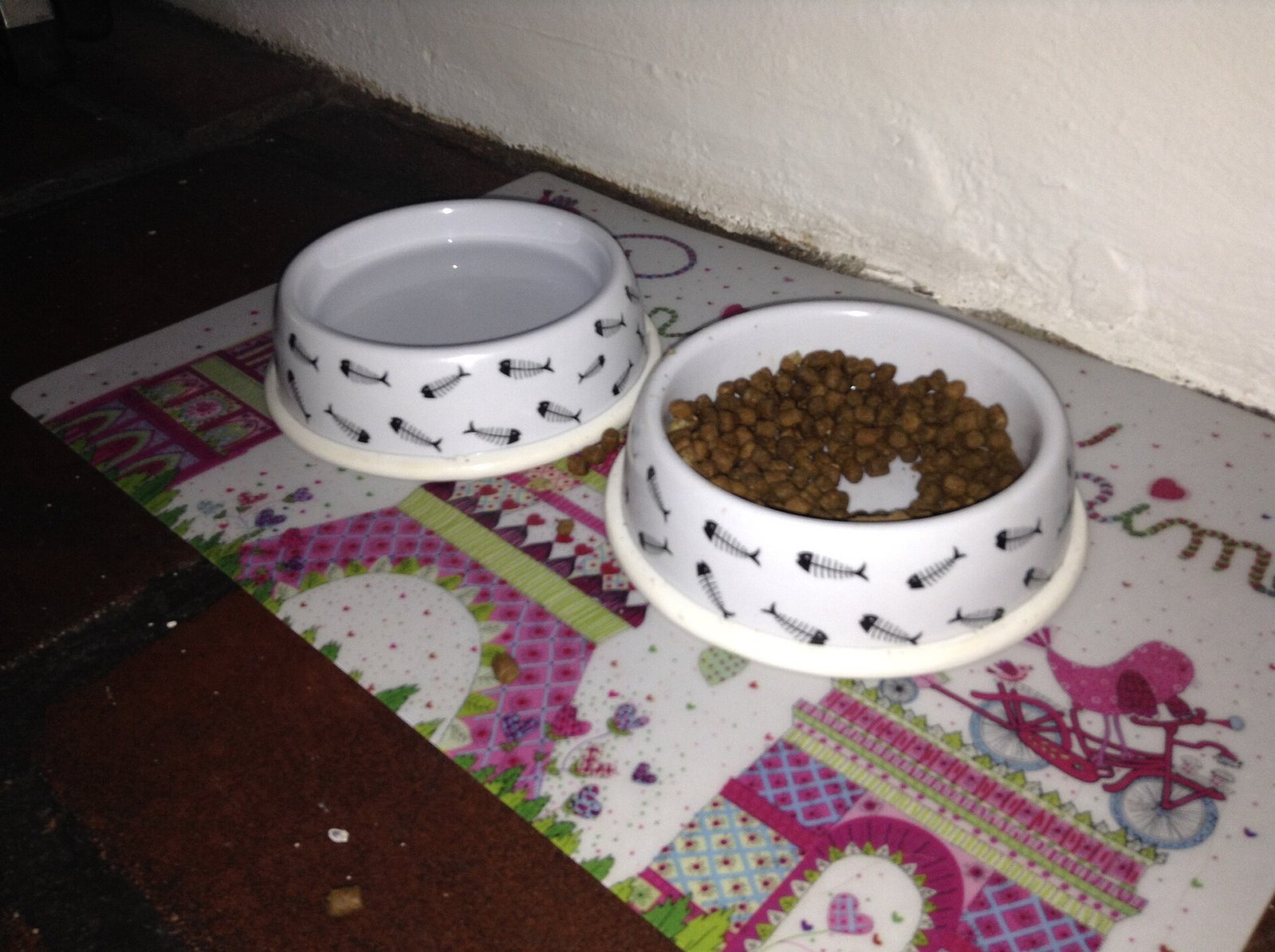
Handling and storage: the part most people skip
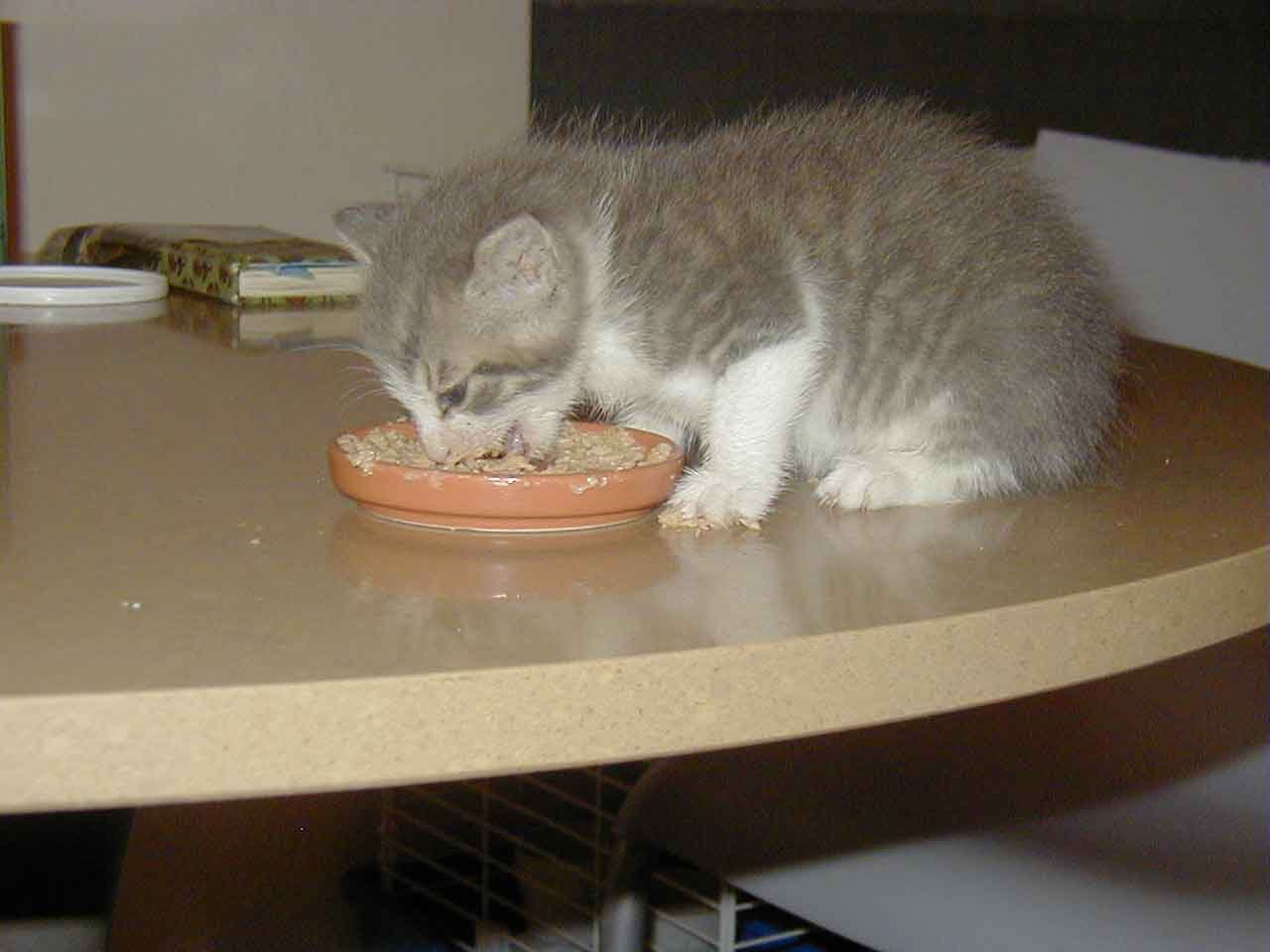
Wet food
- Refrigerate opened cans and pouches promptly; most manufacturers recommend using opened canned food within two to three days.
- Do not leave wet food sitting out all day. In warm weather especially, discard uneaten portions within a few hours and wash the bowl.
- Serve with clean utensils; do not scoop with fingers or leave a fork in the can.
Dry food
- Keep the original bag or use a clean, airtight container, and store it in a cool, dry spot away from heat and humidity.
- Do not pour new food on top of old — finish the bag first so the freshest food is used in order.
- Check the best-by date before every new bag.
Raw and frozen raw food
Raw pet food carries a higher risk of bacterial contamination, and the risk is not only to your cat. The FDA has repeatedly warned about raw pet food contaminated with Salmonella and Listeria — in August 2025, for example, Viva Raw recalled two lots of dog and cat food after routine state testing found both pathogens. Handling those products can sicken people too, especially young children, older adults, pregnant women, and anyone immunocompromised. If you feed raw, you need stricter hygiene: wash your hands, sanitize surfaces and bowls, and keep raw portions frozen until use.
The recall alerts section on this site tracks announcements like these, and the daily workflow guide has more detail on day-to-day feeding.
Monitor, report, and respond
Watch your cat
Vomiting, diarrhea, bloody stool, lethargy, or a sudden drop in appetite can signal a problem with the food — or something unrelated. If symptoms appear after a new food, note the date and the package details, and contact your veterinarian.
Report problems to the FDA
You can file a pet food complaint through the FDA’s Safety Reporting Portal even if your cat did not get sick; the agency uses these reports to spot patterns. Keep the lot number, best-by date, and a photo of the label — that is the information a useful report needs.
When a recall hits
- Stop feeding the product immediately.
- Do not donate or resell it; dispose of it so pets and wildlife cannot get to it.
- Wash and sanitize bowls, scoops, and storage containers that touched the food.
- Follow the manufacturer’s announcement for refund or replacement instructions.
Your weekly and monthly safety routine
| Frequency | Checks |
|---|---|
| Daily | Fresh water in a clean bowl; remove uneaten wet food; note whether your cat eats normally |
| Weekly | Wash bowls and scoops; inspect storage; confirm opened wet food is still within its fridge window |
| Monthly | Check recall lists; photograph lot numbers of current bags; weigh your cat and review body condition |
| Each reorder | Confirm the AAFCO statement, life stage, and best-by date on the new bag |
When to talk to your veterinarian
A safety checklist is a starting point, not a substitute for professional advice. Talk to your vet before switching diets for kittens, senior cats, or cats with medical conditions such as kidney disease, diabetes, allergies, or pancreatitis. If your cat is losing weight, refusing food, or reacting to a recipe, the vet is the right first call. The health needs and food types sections can help you prepare for that conversation.
Frequently asked questions
What does the AAFCO statement actually guarantee?
It guarantees that the recipe was formulated to meet the nutrient profiles AAFCO sets for a specific life stage, or that it passed a feeding trial using AAFCO procedures. It is a nutritional adequacy claim, not a safety seal — which is why the rest of this checklist (recalls, packaging, handling) still matters.
Is raw cat food safe?
Raw food can be nutritionally complete, but it carries a higher risk of bacterial contamination such as Salmonella and Listeria, and that risk extends to the people handling it. If you choose raw, commit to strict hygiene and keep up with recall announcements, and discuss the choice with your veterinarian first.
How long can opened wet food stay in the refrigerator?
Most manufacturers recommend using opened canned cat food within two to three days when refrigerated. Cover the container, write the open date on it if that helps, and discard anything past that window.
What should I do if a food I bought is recalled?
Stop feeding it, dispose of it so no one can access it, sanitize anything it touched, and follow the manufacturer’s recall announcement. You can also report the issue to the FDA’s Safety Reporting Portal.
Sources
- FDA, “Complete and Balanced Pet Food” — fda.gov
- AAFCO, “Selecting the Right Pet Food” — aafco.org
- WSAVA Global Nutrition Committee, “Selecting a Pet Food” — wsava.org (PDF)
- FDA, Viva Raw recall announcement (August 2025) — fda.gov
- FDA, “How to Report a Pet Food Complaint” — fda.gov
- ASPCA Animal Poison Control, “People Foods to Avoid Feeding Your Pets” — aspca.org