Every week, cat owners hear a new rule about feeding: cats need milk, kibble cleans teeth, grain-free is healthier, by-products are junk. We call these the best cat food common misconceptions — the claims that sound reasonable, spread fast, and usually fall apart under the evidence. In this guide, you’ll get the facts behind the most repeated myths, plus a practical way to read any cat food label without being swayed by marketing.
These misconceptions matter because they change real decisions: which bag you buy, how much you feed, and whether you add supplements or switch to a raw diet. Some myths simply cost a little money. Others can affect your cat’s weight, digestion, or long-term health. If you’re new to the topic, our Best Cat Food essential concepts guide explains the key terms first, including guaranteed analysis and nutritional adequacy statements.
Why cat food myths are so persistent
Cats are obligate carnivores, which means they rely on nutrients found only in animal products. The Cornell Feline Health Center explains that cats evolved as hunters that eat prey high in protein, moderate in fat, and low in carbohydrates — and their diet still needs those general proportions today. That biology is why some myths, like “cats need milk” or “cats can go vegan,” are not harmless folklore; they conflict with what a cat’s body actually requires.
Marketing plays a role too. Pet food is a crowded category, and labels lean on words like “natural,” “grain-free,” and “human-grade” because they sound premium — not because they describe a nutritional advantage. As Tufts University’s veterinary nutrition team notes, there is no single best diet for every pet, and manufacturers sometimes perpetuate myths to sell diets and grow market share.
Best Cat Food Common Misconceptions: Myth vs. Fact
Myth 1 — Cats need milk
The image of a cat lapping milk from a saucer appears everywhere in cartoons and movies, but the biology tells a different story. Most adult cats are lactose intolerant: after weaning, they lose much of the enzyme (lactase) needed to digest the lactose in cow’s milk. The PDSA, a UK veterinary charity, explains that giving cow’s milk can cause vomiting, diarrhea, and stomach pain — and that a saucer of milk adds a surprising amount of fat and calories. Water is the only drink a healthy adult cat needs. Cornell agrees, noting that milk is not generally recommended as a treat for cats.
Myth 2 — Dry food keeps teeth clean
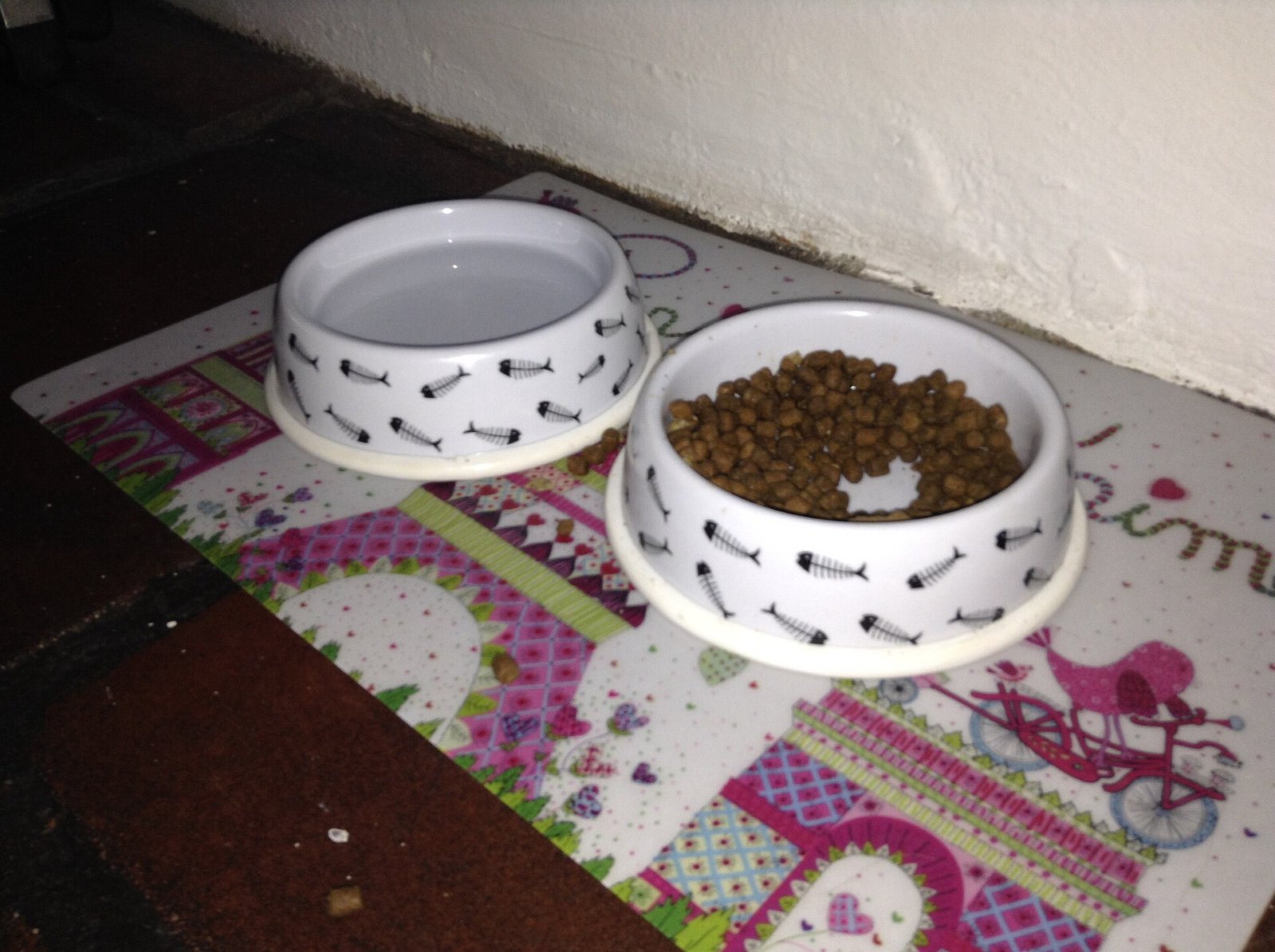
Many owners choose kibble because they believe the crunch scrapes plaque off teeth. In reality, most kibble is small and brittle: it shatters before the tooth can penetrate it, so any abrasive effect is lost, and many cats swallow pieces whole. Veterinary sources, including PetMD, point out that regular dry food offers no advantage over canned food for dental health. The exception is food carrying the Veterinary Oral Health Council (VOHC) seal, which has actually been shown to help reduce plaque or tartar. For everyday dental care, brushing your cat’s teeth remains the most effective habit.

Myth 3 — Grain-free is healthier and lower in carbs
Grain-free became a selling point after grain-free diets trended in human nutrition, but the logic rarely transfers to cats. First, grain-free does not mean carbohydrate-free: as Hill’s Pet Nutrition notes, every dry food needs some carbohydrate source to form kibble, and grain-free formulas simply swap wheat or corn for chickpeas, potatoes, lentils, or peas. Second, true grain allergies are rare in cats — the most common food allergies involve animal proteins like chicken, beef, fish, and dairy. Finally, in its December 2022 update, the FDA reported cases of non-hereditary dilated cardiomyopathy (DCM) in pets eating both grain-free and grain-containing diets and did not establish a definitive causal link to grain-free food. For the vast majority of healthy cats, grain-free food is not necessary and is not inherently better.
Myth 4 — By-products are cheap filler
“By-products” sounds like waste, but in pet food the term has a specific, regulated meaning. By-products are the clean parts of the animal left over from human food production — typically organ meats such as liver, kidney, and tripe — and AAFCO rules exclude things like hair, hooves, horns, and intestinal contents. VCA Hospitals points out that by-products are a highly digestible source of many nutrients and that using them is ecologically responsible, since it reduces waste and the number of animals raised. An ingredient like “chicken meal” or “liver” can be nutritionally dense; the presence of by-products alone does not make a food low quality.
Myth 5 — The first ingredient tells you everything
Labels list ingredients in descending order by weight — but that weight is measured before cooking, and whole meat is roughly 70 percent water. A bag that lists “chicken” first may actually deliver less animal protein after processing than a food listing “chicken meal,” which is a concentrated, rendered form. As the veterinary publication dvm360 explains, ingredient order alone makes it impossible to judge the true quantity or quality of what’s inside. Better signals are the guaranteed analysis (protein, fat, fiber, moisture), the calorie content, and the nutritional adequacy statement.
Myth 6 — “Natural,” “holistic,” and “human-grade” mean better quality
These words feel reassuring, but many are marketing rather than nutrition. VCA Hospitals notes that “natural” has an AAFCO definition so broad it is nearly meaningless, and terms like “holistic” have no legal definition at all. A food can carry these labels and still be nutritionally average, while a plainly labeled food can be excellent. Judge the food by its nutrient profile and the manufacturer’s quality control — not by the adjectives on the front of the bag.
Myth 7 — Cats can thrive on vegetarian or vegan food
Cats are obligate carnivores. Unlike dogs, they cannot manufacture certain essential nutrients on their own and must get them from animal tissue: taurine, arachidonic acid, preformed vitamin A (retinol), and niacin are the usual examples. Cornell’s Feline Health Center states plainly that cats rely on nutrients found only in animal products. A vegetarian or vegan diet for a cat requires extreme supplementation and close veterinary supervision, and it is not an appropriate default for a healthy cat.
Myth 8 — High-protein food damages the kidneys
The belief that a high-protein diet causes kidney disease is one of the most persistent myths in pet nutrition. Veterinary sources, including Virbac, explain that there is no evidence that high-protein food causes kidney disease in healthy cats; what matters is protein quality and digestibility. The situation is different for a cat already diagnosed with kidney disease, which is why those cats should eat a veterinary therapeutic diet — you can read more in our health needs guides. As Cornell reminds owners, more is not always better, but a healthy cat’s need for animal protein is real, and protein restriction is not something to experiment with on your own.
Myth 9 — Raw and homemade diets are automatically safer and better
Raw diets are often promoted as “more natural,” but the evidence points the other way. Cornell does not recommend raw or gently cooked diets for cats, citing a lack of demonstrated benefit and the risk of bacteria, viruses, and parasites that can infect both the cat and the people in the home. In early 2025, the American Veterinary Medical Association reported cat deaths linked to raw frozen pet food contaminated with avian influenza, prompting a voluntary recall. Homemade diets carry their own risk: as VCA notes, most homemade recipes are not nutritionally complete and balanced, and if you do feed homemade food, the recipe should come from a board-certified veterinary nutritionist.
Myth 10 — An AAFCO statement means premium quality
The AAFCO (Association of American Feed Control Officials) statement on a label means the food is “complete and balanced” for a stated life stage — that it meets minimum nutrient standards. That is an important floor, not a quality ranking. Two foods can both carry an AAFCO statement while differing widely in ingredient sourcing, palatability, and your cat’s individual response. The statement is a necessary check, not the final word.
Myth vs. fact at a glance
| The misconception | The fact |
|---|---|
| Cats need milk | Most adult cats are lactose intolerant; water is enough |
| Dry food cleans teeth | Regular kibble shatters; only VOHC-accepted diets help |
| Grain-free is healthier | Grain-free isn’t carb-free and isn’t inherently better |
| By-products are junk | By-products are regulated organ meats, often nutrient-dense |
| First ingredient matters most | Labels list by weight, and water inflates whole meat |
| “Natural” or “holistic” means better | Many terms lack a legal or meaningful definition |
| Cats can go vegetarian | Cats are obligate carnivores needing animal-source nutrients |
| High protein damages kidneys | No evidence in healthy cats; protein quality matters |
| Raw or homemade is safer | Contamination risk is real; homemade is often unbalanced |
| AAFCO statement equals premium | AAFCO is a minimum standard, not a quality ranking |
How to evaluate cat food claims without getting fooled
Recognizing the best cat food common misconceptions is only half the battle. The other half is building a simple, repeatable routine for judging any food you pick up. Here’s a short checklist to use at the store and at home:
- Start with the AAFCO nutritional adequacy statement and match it to your cat’s life stage — kitten, adult, or all life stages.
- Look at the guaranteed analysis and calorie content, not just the first few ingredients.
- Ask your veterinarian about health conditions before choosing a formula.
- Treat absolutes like “grain-free,” “human-grade,” and “all natural” as claims to verify, not guarantees.
- Control portions: obesity is the most common nutrition-related problem in cats, and treats should stay around 10 to 15 percent of daily calories.
- Watch your cat’s response — energy, coat condition, weight, and litter box habits are practical feedback.
For the full step-by-step process, work through our practical planning checklist. When you’re ready to compare options, our buying guides and food type guides break down the differences between formulas.
Frequently asked questions
Is wet or dry food better for cats?
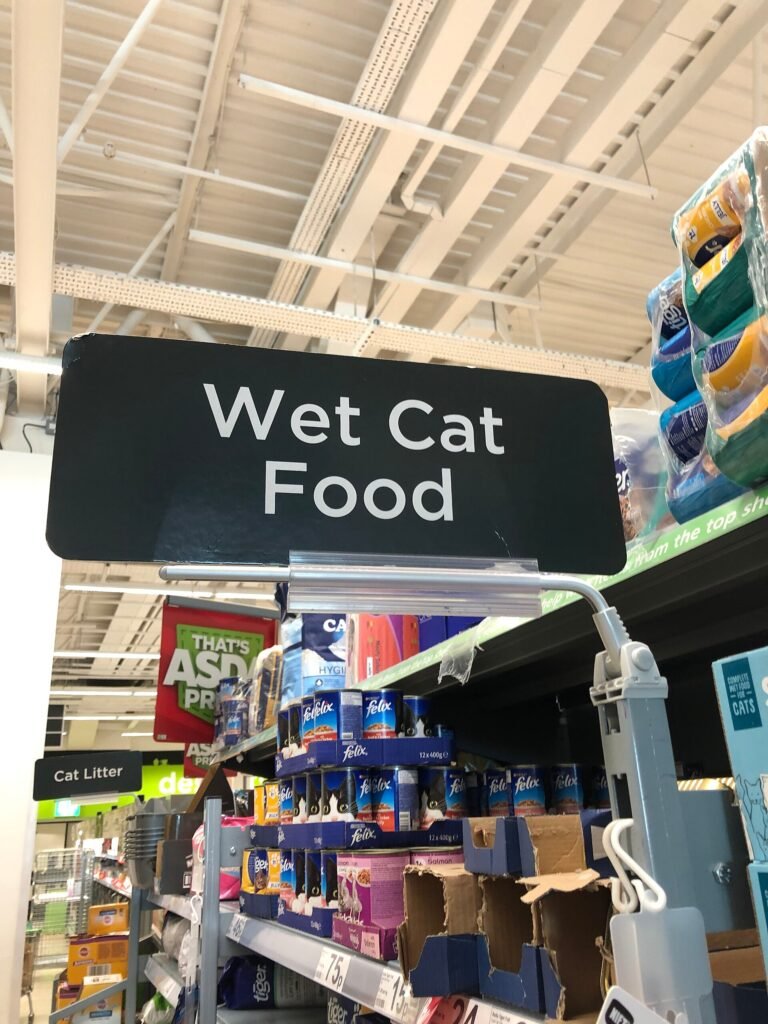
Both can be complete and balanced. Canned food is at least 75 percent moisture, which makes it a good source of water and can help cats that don’t drink much; dry food is convenient and stores well. Choose what your cat accepts and what fits your routine — and remember that “kibble cleans teeth” is a myth.
Should my cat eat grain-free food?
Only if a veterinarian recommends it for a diagnosed reason. Grains are not common allergens for cats, and grain-free diets are not automatically healthier. If you suspect a food allergy, work with your vet on a proper elimination trial rather than guessing from a label.
How do I know a food is nutritionally complete?
Look for an AAFCO statement of nutritional adequacy on the label and match the life stage to your cat. For help choosing between brands, our questions to ask checklist covers what to verify before you switch.
Sources
- Cornell Feline Health Center — Feeding Your Cat
- PDSA — Vet Q&A: Can cats drink milk?
- VCA Hospitals — Debunking the top five pet food myths
- Hill’s Pet Nutrition — Grain-Free Cat Food: What You Need to Know
- PetMD — Diet and Dental Health in Cats
- Diamond Pet Foods — Debarking Pet Myths: Cats Don’t Need Dental Care
- dvm360 — Fact or fiction? Debunking common pet food myths
- Virbac — Myths vs. Facts on Pet Foods for Cats and Dogs
- AVMA — Cat deaths linked to bird flu-contaminated raw pet food
- Tufts Cummings School — Nutrition FAQs